How Long Does an HVAC System Last? Lifespan by Equipment Type
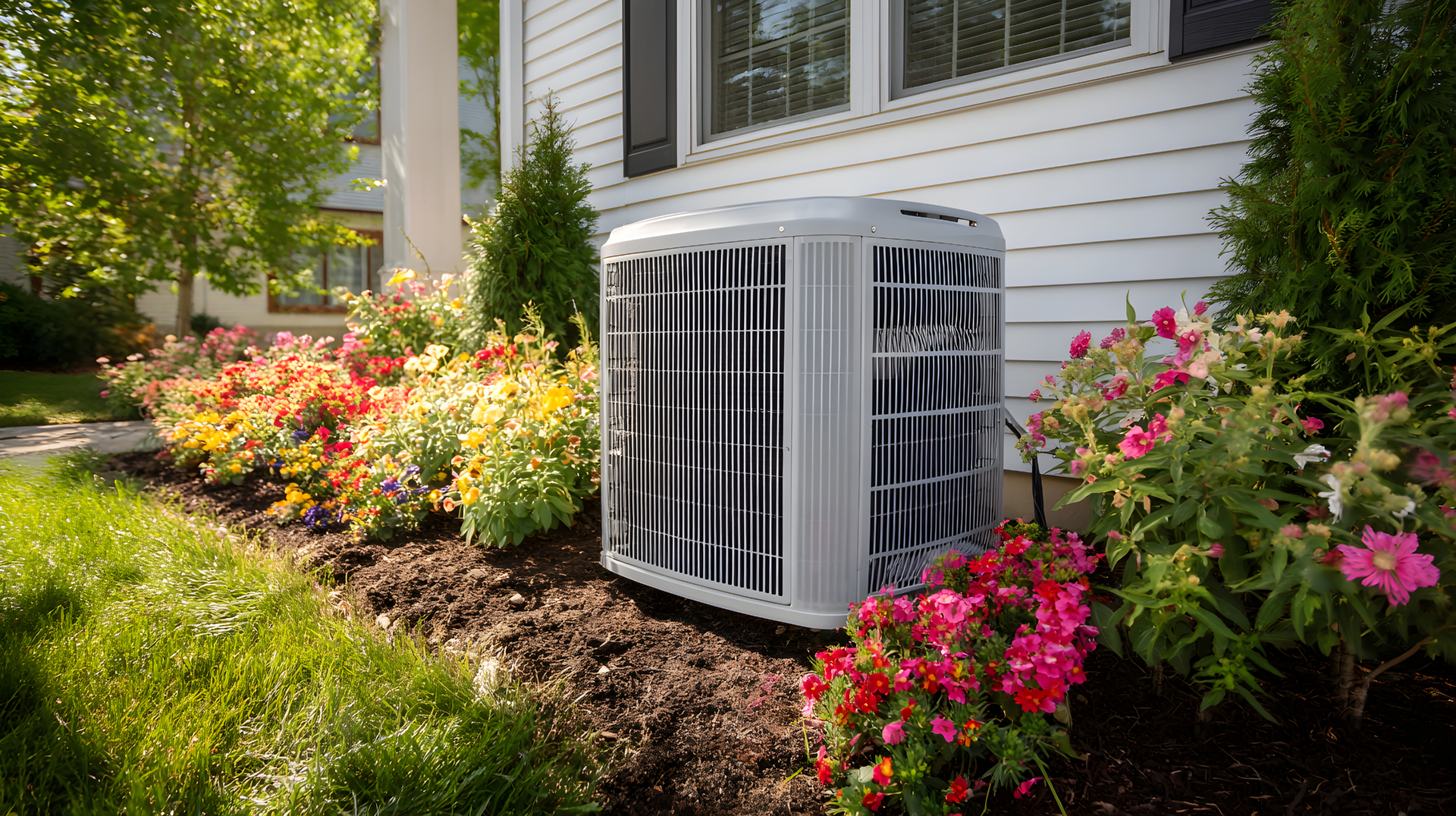

It's one of those questions every homeowner eventually asks: how long does an HVAC system last? Usually right after something starts making a weird noise, or the electric bill comes in higher than expected for the third month in a row.
The short answer is somewhere between 10 and 25 years, depending on what equipment you're talking about. But the real answer depends on the type of system, how hard it works, and whether anyone's actually been maintaining it. At Tri-Counties Heating & Air, we service systems across the Birmingham area that range from brand new to pushing 25 years old. We've seen well-maintained units outlive their expected lifespan, and we've seen neglected ones fail at eight years.
Here's the honest breakdown by equipment type.
A central AC unit in Alabama works harder than one in, say, Ohio. That's just a fact of geography. We're running ours from April through October most years, sometimes longer. That kind of sustained use means the compressor, fan motor, and refrigerant system all take more wear.
The typical ac unit lifespan lands around 15 to 20 years with regular maintenance. Some of the higher-end units — Trane, Carrier, Lennox — can push past 20 if they're serviced annually and the homeowner isn't deferring repairs. But once you're past 15, you're living on borrowed time. Parts become harder to source. Efficiency drops year over year. And the refrigerant situation has changed; systems using R-22 are now expensive to recharge since production stopped.
If your AC is between 12 and 15 years old and needing frequent repairs, that's the window where replacement starts making more financial sense than continuing to fix it.
Gas furnaces generally last 15 to 25 years. They tend to outlive air conditioners because they don't run as many hours per year — at least not in Alabama, where our heating season is relatively short compared to northern states.
That said, a furnace that lasts 25 years isn't necessarily a furnace that's performing well at 25 years. Older furnaces lose efficiency gradually. A unit rated at 80% AFUE when it was new might be operating closer to 70% by year 20. You're burning more gas for less heat, and your energy bills reflect it.
The bigger concern with older furnaces is safety. Heat exchangers can develop cracks over time, which creates a potential for carbon monoxide leaks. This is why annual inspections matter — a cracked heat exchanger isn't something you can see or feel until it becomes dangerous.
Worth knowing: If your furnace is over 15 years old, ask your technician to specifically inspect the heat exchanger during your next tune-up. It's the most critical safety check on an aging furnace.
Heat pumps tend to have a shorter HVAC system lifespan than standalone AC units or furnaces. The reason is simple: they work year-round. A heat pump handles both heating and cooling, so it's running in some capacity almost every month. Double the duty, faster the wear.
In Alabama's climate, heat pumps are popular because our winters are mild enough that they work efficiently for heating most of the time. But that also means they accumulate more runtime hours than they would in a climate where a separate furnace takes over in winter.
Expect 10 to 15 years from a well-maintained heat pump. Some last longer, but by year 12 or 13 most homeowners start noticing declining performance — longer run times, less consistent temperatures, higher bills.
People replace their AC and furnace and completely forget about the ducts. Here's the thing: ductwork degrades too. Joints loosen. Seals dry out. Insulation compresses or falls off. And in Alabama's humid attics and crawl spaces, moisture can accelerate all of this.
Leaky ductwork can waste 20–30% of the air your system produces. That's conditioned air literally escaping into your attic or under the house. If your HVAC system seems like it's working hard but your house stays uneven — hot upstairs, cold downstairs, one room that never gets comfortable — the ducts might be the real problem.
Ductwork should be inspected whenever you replace major equipment. If it's over 15 years old, sealing or replacing sections is often one of the best investments you can make in your home's comfort.
Not all HVAC deaths are natural causes. Certain things accelerate the decline:
On the flip side, a few habits genuinely help your system last longer:
None of this is complicated. It's just consistency. The homeowners whose systems last 20+ years aren't doing anything exotic — they're just not ignoring the basics.
Not sure where your system stands? Schedule a system evaluation with Tri-Counties Heating & Air. We'll inspect your equipment, tell you honestly how much life is left, and help you plan — whether that means maintenance, repair, or when to replace your HVAC system on your timeline.
This is the question that really matters. And there's no single answer, but here's how we think about it with our customers:
If the repair is under $500 and the system is under 10 years old? Repair. Almost always.
If the repair is over $1,000 and the system is over 12 years old? Start getting replacement quotes. You might still repair it, but you should at least know what a new system costs so you can make an informed decision.
If you're facing a compressor replacement on a system over 15 years old? That's usually the tipping point. A compressor runs $1,500 to $3,000 installed. At that age, you're investing serious money in equipment that could develop another major failure next year.
The HVAC replacement cost for a full system in the Birmingham area typically ranges from $5,000 to $12,000 depending on the equipment, efficiency rating, and complexity of the installation. It's a significant expense. But a new system comes with a 10-year warranty, modern efficiency standards, and the peace of mind that you're not gambling on aging equipment every summer.
Wondering if it's time? Contact Tri-Counties Heating & Air for an honest assessment. We serve Birmingham, Homewood, Hoover, Leeds, and surrounding communities. We'll tell you what your system needs — not what we want to sell you.